1. What Exactly is a Basque Waist?
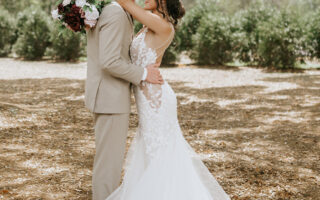
To the uninitiated, a basque waist (sometimes called a “V-waist”) features a bodice that extends past the natural waistline, dipping into a sharp “V” shape at the center of the hips. Unlike a standard natural waistline that cuts straight across, the basque waist follows the anatomical lines of the torso. Historically rooted in traditional Basque traditional dress and later popularized in the 1950s and 80s, it provides a structured, corset-like fit that creates a seamless transition from the bodice to the skirt.
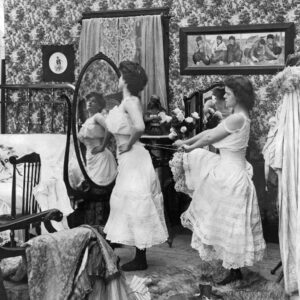
2. The Science of the Silhouette: Why It’s So Flattering
The obsession with the basque waist isn’t just about aesthetics—it’s about the incredible geometry of the cut.
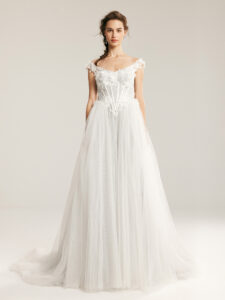
3. Styling the Modern Regency Look
The 2026 version of the basque waist is less about heavy lace and more about clean lines and architectural fabric. Think heavy satins, or even sheer corset boning. To keep the look modern:
-
Keep Accessories Minimal: Let the dramatic waistline be the star. A simple strand of pearls or a pair of sculptural gold earrings is all you need.
-
The Power of the Veil: A cathedral-length veil complements the elongated lines of a basque waist gown, adding to the “royal entrance” vibe.
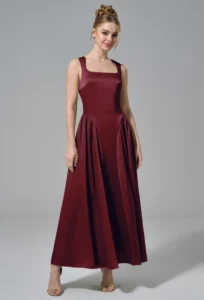
4. Is the Basque Waist Right for You?
While this style is universally flattering, it is particularly spectacular for brides who want a “fairytale” moment without feeling like they are wearing a costume. Whether you are hosting a grand ballroom celebration or an intimate historic estate wedding, the basque waist offers a level of sophistication that standard silhouettes often miss.